The Ultimate Europe Packing List: A Female's Carry-On & Backpack Guide

Europe is one of the most accessible and rewarding places you can travel, and part of what makes it so easy is that you really do not need to bring that much. The key is packing smart enough that you can move freely between cities, hop on and off trains without checking a bag, and still feel put-together walking into a nice restaurant in Rome or a cathedral in Prague.
This guide covers everything I would bring for a summer trip through Europe, whether you are hostel-hopping for three weeks or mixing it up between hostels and hotels. I have kept it honest about what actually gets used and what ends up sitting at the bottom of your bag.
This blog covers the following categories, Feel free to jump around this page, and use it however it would be most helpful to you.
Europe Packing List:
Some items throughout these packing lists include a “Shop on Amazon” link where applicable. These are affiliate links, which means I may earn a small commission at no extra cost to you. I only share products I genuinely use, love, or would personally pack for my own trips. If you enjoy my guides and want to support Evoke, shopping through these links is one of the easiest ways to help support my blog at no additional cost to you. Thank you so much for supporting my work and helping keep these free travel resources available!
Bags & Organization
Carry-On Luggage

Why you need it: Your carry on luggage, whether it is a backpack or a roller suitcase, is completely up to you based on preference. If you have a longer trip and are going more backpacking style, I would recommend a 40L pack with an attachable 15L backpack. See my SE Asia Packing List for more information on backpacking gear. If your Europe trip is more relaxed and logisitically simple, a roller carry on is perfectly fine. I have traveled Europe with both and can say each works well. There are pros/cons to both, so go with your gut and preference!
Hannah's Note: I would avoid bringing a checked bag because the price adds up quickly, especially if you are taking multiple plane rides between cities. If you are going to one destination and planting there your entire trip, then I'd say it's ok, but I believe in you that you can pack for a 2+ week trip in just a carry-on and backpack. And you will thank yourself too.
Packable Day Pack (20L)
Why you need it: On days when you are leaving your main backpack at the hostel or hotel and heading out to explore, you need something smaller. A packable day pack folds into itself and takes up almost no space when not in use. Use it for day trips, long museum visits, grocery runs, or any day where your crossbody just is not enough but your main bag is overkill.
Hannah's Note: Look for one with a water bottle pocket and a zipper that closes fully. A lot of European pickpockets target open bags in crowds, so a fully zippable day pack matters.
Packing Cubes (Set of 6)
Why you need it: Packing cubes make unpacking and repacking between cities genuinely fast. When you are moving every two to three days across different countries, being able to pull out the exact cube you need and drop it back in is one of those small things that makes a big difference over a long trip.
Hannah's Note: Color-code your cubes by category: tops, bottoms, underwear and socks, electronics. You will never dig through your whole bag again.
Thin Laundry Bag
Why you need it: Most hostels have laundry facilities, and even many mid-range hotels in Europe have laundromats nearby. A thin laundry bag keeps your dirty clothes separated and makes drop-off laundry service easy. Wash-and-fold services across Europe are common and usually affordable.
Hannah's Note: Pack one that is light enough to feel like nothing when empty but large enough to hold several days of clothes.
RFID-Blocking Travel Wallet
Why you need it: European tourist hotspots, particularly Rome, Barcelona, Paris, and Prague, have well-documented pickpocket problems. An RFID-blocking wallet protects your cards from being scanned while also keeping your passport, cash, and cards organized in one place.
Hannah's Note: Keep only what you need for the day in your main wallet. Leave extra cards and your passport copy back at the accommodation in a locker.
TSA-Approved Luggage Locks (2)
Why you need it: Essential for hostel lockers, which you will use almost daily to secure your valuables while you are out exploring. Most hostels provide the locker but not the lock.
Hannah's Note: Bring two. One for your main backpack and one for your hostel locker. A combination lock means no lost key.
Makeup and Toiletry Organizer Bag
Why you need it: When you are sharing bathrooms in hostels, a hanging toiletry organizer becomes essential. Counter space is minimal or nonexistent, and having everything in one bag that hangs from a hook keeps your routine fast and your products off whatever surface happens to be available.
Hannah's Note: Get one that is water-resistant and opens fully flat when hung. The kind with a hook at the top is ideal for hostel bathroom situations.
Anti-Theft Belt Bag or Crossbody Bag

Why you need it: In heavily touristed European cities, a belt bag worn in front or a slash-proof crossbody worn close to your body is the safest and most practical way to carry your daily essentials. It keeps your phone, wallet, card, and keys accessible without advertising them to anyone watching crowds.
Hannah's Note: I wore a belt bag nearly every day in Europe. In cities like Rome and Barcelona especially, keeping valuables in front and zipped is just good practice.
AirTag
Why you need it: Slip one inside your main backpack so you can track it from your iPhone if it ever goes missing. Budget airline holds, overnight train luggage racks, and hostel storage rooms are all moments where your bag is out of your control.
Hannah's Note: Put it in a small inner pocket, not an outer one. If someone takes the bag, you want them to not find the AirTag immediately.
Clothing
Europe in summer is warm and often very warm in Southern Europe, however it typically is not incredibly humid. You have more flexibility with fabrics, and of course to looking you're absolute best among the fashion icons that are Europeans.

Lightweight Tops (3-4)
Why you need it: Stick with breathable fabrics like linen, cotton, or moisture-wicking blends. Pack neutrals that can mix and match with everything else you bring. Three to four tops gives you enough rotation for a week between laundry runs without feeling like you are wearing the same thing every day.
Hannah's Note: Avoid anything too casual or beachy for city days. European cities run more polished than most American travel destinations, and a clean, simple top reads completely differently than a baggy tourist tee.
Nicer Blouse or Going-Out Top (2-4)
Why you need it: You are going to want to go to a nice dinner in Florence or a rooftop bar in Lisbon at some point, and the tops you wore to walk 15,000 steps through a museum will not feel right. One elevated top that packs flat and can dress up an outfit is worth its weight. Silk or satin-finish fabrics photograph well and look intentional even with simple jeans or a skirt.
Hannah's Note: This does not have to be formal. A clean blouse or a nice tank in a solid color or interesting texture goes a long way in Europe where casual-chic is the standard.

Lightweight Long Pants (2-4 Pairs)
Why you need it: At minimum, pack two pairs of lightweight long pants. Many of Europe's most significant sites, including St. Peter's Basilica in Rome, Sacre-Coeur in Paris, the Sagrada Familia in Barcelona, and virtually every cathedral in Eastern Europe, have dress codes requiring covered knees and shoulders. Guards actively turn people away who do not comply. Lightweight linen or cotton trousers pack flat and breathe well enough to wear even in the heat.
Hannah's Note: One pair of well-fitting, lightweight trousers can carry you from a church visit to a nice dinner without changing. It is the most versatile piece you will pack.
Shorts (2-4 Pairs)
Why you need it: For beach towns, outdoor markets, casual café days, and any day that is not a church or museum day, shorts are practical and comfortable. Stick with mid-thigh length or longer, which is more appropriate across Southern and Eastern Europe and also doubles for more conservative destinations.
Hannah's Note: Linen or lightweight cotton shorts in a neutral color will work everywhere and photograph better than athletic-style shorts.
Lightweight Dresses (2-3)
Why you need it: Dresses are the most efficient piece of clothing you can pack for Europe. One item replaces a top and a bottom, they almost always look intentional, and a midi or maxi length qualifies for church dress codes without any extra planning. Wear them for casual sightseeing, dinners, or evenings out. A flowy linen dress in the heat of Rome or Santorini is the right call every time.
Hannah's Note: Pack at least one that hits the knee or below so you always have something appropriate for a cathedral. A wrap dress is especially good because it can adjust in fit and doubles easily from day to evening.
Light Cardigan or Layer
Why you need it: European summers can swing between scorching afternoons and genuinely chilly evenings, especially once you get further north or higher in altitude. A lightweight cardigan also serves as a shoulder cover-up for churches in the moment, a layer on aggressively air-conditioned trains, and a thrown-on piece for breezy evenings near the water. I like a blue or white cotton buttom down, a classic cardigan, or a blazer for Europe.
Hannah's Note: This is different from a rain jacket. You want something soft, packable, and presentable enough to wear to dinner. Lightweight cotton or a linen-blend cardigan works best.
White silk button down for a layer Classic cardigan for a layer Blazer for a layer
Swimsuit (1, if headed to a beach destination)
Why you need it: If your itinerary includes any coastal or Mediterranean destinations, one swimsuit is worth the space. Croatia, Greece, Portugal, the Amalfi Coast, and the South of France all have incredible beach or water access. If your trip is entirely inland cities, skip it.
Hannah's Note: A one-piece or simple bikini is completely appropriate for any European beach. If you forget it, you can almost certainly find one locally at most beach destinations, though it will cost more.
Moisture-Wicking Underwear (7 Pairs)
Why you need it: This is the same non-negotiable as any long trip. Seven pairs gets you through a full week between laundry and quick-dry fabrics mean you can hand-wash a pair in a hostel sink and have them dry by morning.
Hannah's Note: Merino wool or synthetic quick-dry underwear. This is not a place to cut corners.
Bras (2-3)
Why you need it: Two to three is the right number for a long trip. Mix comfortable everyday options with at least one that works under nicer tops for evenings.
Hannah's Note: If you have a strapless or convertible option, that is always useful in Europe where you might be wearing an off-shoulder top to dinner.
No-Show Socks (5-6 Pairs)
Why you need it: You will be wearing sneakers every day and walking a lot more than you expect. Quality, breathable no-show socks prevent blisters and keep your feet comfortable on long walking days.
Hannah's Note: Merino wool no-show socks hold up better than cotton across long trips and resist odor between washes.
Silk Scarf
Why you need it: A lightweight scarf is one of the most useful things you can bring to Europe and it takes up almost no space. Use it as a shoulder cover-up at churches and cathedrals when you do not want to change outfits, a layer on cool evenings, a blanket on overnight trains, or simply a stylish accessory. In Southern Europe especially, having a scarf in your bag means you are always ready to walk into any site without being turned away.
Hannah's Note: A large, thin scarf in a neutral color gives you the most flexibility. Silk, linen, or a light cotton blend works best for summer.
Sunglasses
Why you need it: You will be outside constantly in European cities, and good sunglasses make a real difference on bright days walking through open plazas, along waterfront promenades, or at outdoor markets. Polarized lenses cut glare significantly.
Hannah's Note: Bring a pair you actually like wearing and that fits well on your face. Europe is full of opportunities to photograph yourself somewhere beautiful, and squinting is not a good look.
Packable Rain Jacket or Compact Umbrella
Why you need it: European weather is genuinely unpredictable, even in summer. Northern and Western Europe, the UK, Amsterdam, Ireland, Paris, and even parts of Italy can see rain at any time. A packable rain jacket folds into its own pocket and weighs almost nothing, and it will save you multiple times over a multi-week trip. Alternatively, a compact windproof travel umbrella works well for city days where you are not going far.
Hannah's Note: I would prioritize a rain jacket over an umbrella for a backpacking-style trip since you need your hands free. If you are more city-based and hotel-based, a compact umbrella is more practical for short bursts between destinations.
Shoes
Shoes make or break a Europe trip more than any other packing decision. The combination of cobblestone streets, long walking days, and the expectation that you will also look relatively put-together at some point means you need to think about this carefully.
Comfortable, Broken-In Walking Sneakers

Why you need it: You will walk 5-10 miles on a normal sightseeing day in Europe, often on cobblestones that are actively destabilizing. This is not the place for new shoes. Whatever sneakers you bring need to be completely broken in before you get on the plane. A supportive sneaker with cushioning, good arch support, and a non-slip sole is what you are looking for. White sneakers look clean, photograph well, and are easy to style with almost any outfit.
Hannah's Note: Do not bring shoes that are not broken in. Blisters on day two of a two-week trip are genuinely miserable and will affect every day after. If you are buying new sneakers for the trip, wear them daily for at least three to four weeks before you leave.
Sandals or a Nicer Flat for Evenings
Why you need it: Your walking sneakers will look out of place at a rooftop bar or a nice dinner, and you will want something to change into. A simple leather or leather-look sandal, a pair of clean mules, or a dressy flat gives your outfit a completely different feel in the evening. It also gives your feet a break from enclosed shoes after a long walking day.
Hannah's Note: Keep the heel low or flat. You will still be walking on cobblestones even in the evenings, and heels on European streets are a quick way to turn an ankle. A block heel at most.
Flip Flops (for hostel showers)
Why you need it: If you are staying in hostels, you do not want to use shared showers barefoot. A simple pair of flip flops handles this. They also work for beach days if you are visiting coastal destinations.
Hannah's Note: The thinnest, lightest pair you can find. They live at the bottom of your bag and only come out when you need them.
Toiletries & Personal Care
Sunscreen SPF 50+
Why you need it: Southern Europe in summer, particularly Greece, Italy, Spain, Croatia, and Portugal, has intense UV exposure. Even in Northern Europe you are outside for long stretches and more exposed than you expect. Pack SPF 50 and reapply after long outdoor stretches.
Hannah's Note: Apply before leaving your accommodation, not at the destination. City days with lots of sun exposure can still burn you fast, especially when you are walking and not thinking about it.
Face Wash
Why you need it: Travel throws off your skin with different water quality, city pollution, sweat from long walking days, and varying climates across the countries you pass through. A gentle face wash keeps everything in check.
Hannah's Note: A small travel tube is all you need. Most European pharmacies carry familiar brands if you run out.
Face Moisturizer
Why you need it: Lightweight gel moisturizer works best in hot summer conditions. If you are in Northern Europe or somewhere cooler, a slightly richer formula is fine. SPF moisturizer can pull double duty in the morning.
Hannah's Note: Keep your skincare simple while traveling. Two or three steps is enough.
Clinical-Strength Deodorant
Why you need it: Long walking days, packed metro cars, and summer heat in cities like Rome, Madrid, or Athens mean your regular deodorant may not keep up. Clinical strength is worth it.
Hannah's Note: Apply the night before for best results, not just in the morning.
Solid Shampoo Bar and Conditioner Bar
Why you need it: Shampoo and conditioner bars are ideal for European travel because they skip the liquids bag entirely, do not leak, and last longer than a standard bottle. Many European hostels do not provide shampoo, and even hotel supplies can be unreliable.
Hannah's Note: Store them in a small metal tin or a travel soap case so they do not go soft in your bag.
Feminine Hygiene Products
Why you need it: Europe has easy access to drugstores, and most cities have pharmacies open until at least 8pm. That said, smaller towns, rural areas, and some Eastern European destinations may have limited options. Bring enough for your cycle plus a few extras, and supplement locally if needed.
Hannah's Note: A menstrual disc or cup eliminates restocking entirely, which is especially useful on long travel days when bathroom access is unpredictable.
Dry Shampoo
Why you need it: Not every day is a hair wash day, especially on travel days, long train rides, or days when you are out from morning to midnight. Dry shampoo keeps your hair fresh and extends your style.
Hannah's Note: Bring a smaller travel size to manage weight and space. I'd recommend a powder because some airlines can be particular about aerosols.
Travel Hairbrush
Why you need it: A compact brush or a fold-up travel brush is all you need. The Wet Brush mini is ideal since it handles hair that has been in a bun all day or air-dried overnight without snagging.
Hannah's Note: Skip the full-size brush. A travel version takes up a fraction of the space.
Lip Balm with SPF
Why you need it: You are outside all day and your lips will feel it. SPF lip balm protects and keeps them from drying out in the wind and sun.
Hannah's Note: Keep one in your day bag so you actually use it.
Face Mist or Thermal Water Spray
Why you need it: This is one of those items that sounds frivolous until you are standing in a 35-degree plaza in Rome with no shade in sight and someone pulls this out. A small face mist cools you down instantly and feels like a reset in the middle of a hot city day. It also helps set makeup if you care about that.
Hannah's Note: Evian and La Roche-Posay both make compact versions that are easy to find locally if you do not want to pack one from home.
Laundry Detergent Sheets
Why you need it: Travel laundry sheets are a game changer for long trips. They are flat, lightweight, and dissolve completely in water. You can do a quick sink wash of underwear, socks, or a light top in any hostel or hotel bathroom without needing to find a laundromat.
Hannah's Note: Pack 10 to 15 sheets. They weigh almost nothing and eliminate the need to plan your trip around laundry days as strictly.
Hand Sanitizer
Why you need it: Public transit, market stalls, shared hostel bathrooms, and street food situations all call for hand sanitizer. It is a small thing that keeps you from getting sick mid-trip.
Hannah's Note: Keep one in your belt bag so you actually use it before eating.
Tissues or Pocket Wipes
Why you need it: Some public restrooms in Europe, particularly in Eastern Europe, Southern Italy, and rural areas, charge for entry or do not provide paper towels. A small pack of tissues covers you everywhere.
Hannah's Note: Keep one pack in your day bag at all times. It is never the wrong decision.
Tech & Accessories
Universal Power Adapter (Including Type C/F)
Why you need it: This is the one tech item that is entirely different from every other destination. Europe uses Type C and Type F outlets, which have two round pins instead of the flat prongs used in North America. Without an adapter, you cannot charge anything. Most chargers for phones, laptops, and cameras are dual-voltage, meaning you only need an adapter to change the plug shape, not a full voltage converter. A single compact adapter that covers Type C and F is all you need for most of mainland Europe.
Note: the UK uses a completely different Type G plug, so if your trip includes the UK, get a universal adapter that covers both.
Hannah's Note: If you think you will do more international travel, I would get a universal power adapter that includes all outlet types (A, B, C as well). I purchased a Europe adapter only for my first trip to Europe, however it didn't work in the UK and I had to purchase another adapter when I went to Asia. If you are getting any adapter, adopt for the universal one to cover your bases.
Portable Power Bank (10,000-20,000mAh)
Why you need it: Long walking days mean your phone is navigating, photographing, and running Google Translate for hours at a stretch. A power bank keeps you topped off without needing to find an outlet or sit in a café for an hour. A 10,000mAh is lighter and more carry-on friendly; a 20,000mAh gives you more charges for longer days.
Hannah's Note: Keep it in your day bag, not at the bottom of your main pack. You need it accessible during the day.
Phone Charger and Extra Cable
Why you need it: Bring your standard charger plus one backup cable. Cables wear out with constant travel and daily use, and replacing them in Europe is possible but more expensive.
Hannah's Note: A USB-C cable that works with your phone, laptop, and camera is the most efficient option if your devices are compatible.
Laptop (if working remotely or editing photos or video)
Why you need it: Europe has an excellent cafe culture, and many hostels have coworking-friendly common spaces. If you are working remotely, editing content, or doing any intensive digital work, a laptop is worth bringing. If not, your phone and tablet will carry you far.
Hannah's Note: Only bring a laptop if you will realistically use it. It is one of the heaviest and most valuable items in your bag and requires constant awareness.
Wireless Earbuds
Why you need it: Long train rides, overnight buses, crowded airport waits, and hostel environments all become significantly more manageable with earbuds. They also let you have quiet without isolating yourself completely in public.
Hannah's Note: Store them in a hard case so they do not get crushed in your bag.
Kindle or E-Reader

Why you need it: Train travel across Europe is one of the best parts of the trip, and a Kindle turns those hours into reading time instead of phone scrolling time. You can carry hundreds of books without adding any meaningful weight.
Hannah's Note: Download several books before you leave. WiFi reliability varies by country and accommodations, and you do not want to be mid-series with nothing to read.
Portable Speaker
Why you need it: A small portable speaker is one of those items you do not realize you will use until you are on the trip. Whether it is beach days, hostel common areas, rooftop sunsets, or quiet nights in guesthouses, having your own music makes the experience feel more personal.
Hannah's Note: Keep it small, waterproof if possible, and battery efficient. You do not need anything large or heavy for travel use.
eSIM or International Data Plan
Why you need it: Having data on your phone from the moment you land is one of the biggest quality-of-life upgrades you can make for a Europe trip. An eSIM is a digital SIM card you download to your phone before departure. You activate it on arrival and are immediately connected without hunting for a local SIM or paying roaming fees. Many eSIM providers offer Europe-wide plans covering 30 to 40 countries for a flat rate. Holafly, Airalo, and Nomad are all popular options worth comparing before you go.
Hannah's Note: Set up your eSIM before you board your flight. Activating it when you land is simple, but downloading it in an airport with spotty WiFi is not. Having data immediately upon arrival is worth every cent for navigation, translation, and figuring out transit from the airport.
Camera & Accessories
Europe is one of the most photographed places on earth for a reason. Whether you are shooting on a professional camera or your iPhone, the light, architecture, and color of European cities and coastlines is genuinely unlike anything else.

Camera of Your Choice
Why you need it: The right camera depends entirely on your goals. For high-quality photography, a mirrorless camera like the Sony Alpha 7 IV produces images that your phone simply cannot match. For content creation and vlogging, the Sony ZV-E10 or the DJI Osmo Pocket 3 are both compact and capable. The Osmo Pocket 3 in particular is excellent for walking through markets, capturing movement on cobblestone streets, and filming handheld without the shakiness that usually comes with that. If a dedicated camera is not in the budget or the plan, a modern iPhone shot well in good light will produce more than enough for social media.
Hannah's Note: Whatever you bring, shoot in the early morning and late afternoon when possible. European city light at golden hour is something else entirely, and midday harsh light flattens everything. The link below is a for a Canon G7 X, which is a popular, high quality and compact camera that is perfect if you are getting into photographer or want to keep a quality camera in your purse at all times.
Extra SD Cards
Why you need it: You will shoot more than you expect in Europe, especially at new destinations. Bring at least two cards so storage never becomes a reason to stop shooting.
Hannah's Note: 256GB cards give you plenty of room. Transfer everything to an external drive regularly so your cards stay clear.
SD Card Reader
Why you need it: Lets you pull images from your camera directly to your phone or laptop without cables. Useful for quick posting, backup, and editing on the go.
Hannah's Note: Get one that works with both your phone and laptop to avoid carrying two.
External Hard Drive
Why you need it: Your backup. If your camera or SD cards are ever lost or stolen, the hard drive is the only thing between you and losing everything. Transfer photos to it regularly.
Hannah's Note: Keep it in your main pack, not your day bag. If your day bag goes, your camera might too, but your hard drive stays protected.
Tripod
Why you need it: Useful for solo photos at major landmarks, low-light shots inside cathedrals (where flash is usually prohibited), long exposures at night, and filming content. A compact gorilla-style tripod or a travel tripod that collapses small is the best option.
Hannah's Note: A flexible gorilla tripod can grip railings, benches, and uneven surfaces in a way a standard tripod cannot, which is especially useful in Europe where you are shooting in and around old architecture.
Camera Flash
Why you need it: If you are shooting in lower-light environments like restaurants, wine bars, or evening city shots, a flash expands what you can capture significantly. Many cathedrals and museums do not allow flash inside, but for everything else it is a useful tool.
Hannah's Note: Test it before your trip and bring extra batteries.
Health & Safety
Reusable Water Bottle
Why you need it: This is one of the most significant differences between packing for Europe versus other destinations: tap water is safe to drink in virtually every Western and Northern European country, and in most of Southern and Eastern Europe as well. You do not need to buy bottled water every day. A reusable water bottle saves you money, reduces waste, and keeps you hydrated on long walking days without needing to stop constantly. Many European cities also have public drinking fountains throughout the city center.
Hannah's Note: I loved my brita water bottle. It will give you the peace of mind of an extra layer of filatration for times that you fill up with water from a bathroom sink or outdoor water fountain.
OTC Medications (ibuprofen, allergy, antidiarrheal, cold/flu)
Why you need it: European pharmacies are easy to find and generally well-stocked, but the brands are different from what you are used to and finding the right thing when you feel terrible and do not speak the language is not the time to figure it out. Pack a small supply of your go-to medications from home: ibuprofen for headaches and sore feet, an antihistamine for allergy symptoms, antidiarrheal medication for stomach issues, and a basic cold or flu medicine.
Hannah's Note: Label everything clearly if traveling across borders, especially if carrying any prescription medications. Keep prescriptions in their original packaging.
Sleep Mask and Ear Plugs
Why you need it: Hostel dorms, European summer light that comes in early, overnight trains, and hotel rooms near busy nightlife streets all make sleep harder than it needs to be. A good sleep mask and a pair of silicone ear plugs make a real difference in how rested you feel on high-activity days.
Hannah's Note: Silicone ear plugs block significantly more sound than foam ones. They are worth the slight extra cost.
Compression Socks
Why you need it: If you are taking any long-haul flights to get to Europe, or overnight trains, compression socks reduce swelling and improve circulation during extended sitting. They also help with heavy-legged tiredness after long walking days.
Hannah's Note: Wear them on the plane over and on any flight or train that is more than four hours. Your legs will feel noticeably better on arrival.
Anti-Nausea Medication
Why you need it: European ferries between islands in Greece and Croatia, scenic winding roads in Portugal and Switzerland, and overnight buses through hilly terrain can all trigger motion sickness even in people who do not usually experience it. Pack a small supply just in case.
Hannah's Note: Take it before you feel sick, not after. It is much less effective once nausea has set in.
Melatonin
Why you need it: The time difference from North America to Europe ranges from five to nine hours depending on your starting point. Jet lag on arrival is real and can cost you one to two full days of your trip if you do not actively work against it. Melatonin taken at local bedtime for the first few nights helps your body adjust faster.
Hannah's Note: Start taking it on your first night in Europe, at the time you want to be asleep, regardless of how your body feels. It genuinely works.
Travel First Aid Kit
Why you need it: A small kit with bandages, blister pads, antiseptic wipes, and medical tape covers the most common issues: blisters from cobblestone walking, small cuts, and minor injuries from active days. Blisters in particular are almost inevitable without good preparation.
Hannah's Note: Blister pads or moleskin are the single most important item in the kit. Pack more than you think you will need.
Travel Insurance Confirmation
Why you need it: Travel insurance is the most important thing you can buy before a trip to Europe and the easiest thing people skip. Medical care in Europe can be excellent, but without insurance a hospital visit or emergency evacuation is extremely expensive. Travel insurance also covers trip cancellation, delayed flights, lost luggage, and stolen items. If anything goes wrong, it is the first thing anyone will ask for.
Hannah's Note: Print a copy and keep a digital copy in your email. Know your policy number and the emergency contact number before you need it.
Best Travel Insurers: 1. GeoBlue: A Blue Cross partner offering extensive international health networks and reliable evacuation coverage.
2. SafetyWing: Highly rated and budget-friendly for digital nomads and frequent travelers.
3. World Nomads: Best for active travelers, covering over 250 adventure activities from skiing to mountain biking.
Documents
Europe involves crossing multiple borders, which means your documents need to be in order before you leave home. Most of this is straightforward, but a few things are specific to Europe.
Passport: Your passport needs to be valid for at least six months beyond your planned return date. This is a requirement for entry into most countries, and airlines will turn you away at check-in if your passport does not meet this requirement. Check your expiration date well in advance.
Passport Photocopy: Keep a digital photo of your passport in your email and a physical copy in a different bag than your actual passport. If your passport is lost or stolen, having this copy makes replacement at an embassy significantly faster.
Visa Information: US, Canadian, Australian, and UK citizens can travel in the Schengen Area, which includes most of Europe, for up to 90 days in any 180-day period without a visa. The UK is not in the Schengen Area but has similar terms for most passport holders. Albania, North Macedonia, Montenegro, and a few other countries operate independently. Check requirements for each country on your itinerary.
Rail or Bus Confirmations: If you are using Interrail or Eurail passes, have your pass accessible. If you are booking individual trains, keep confirmation emails downloaded offline since platform WiFi can be unreliable when you actually need to board.
No Foreign Transaction Fee Credit Card: A credit card that does not charge foreign transaction fees is essential in Europe. Cards like Chase Sapphire, Capital One Venture, and Charles Schwab debit cards are popular choices. I have a Chase Sapphire card and love it, click here to sign up for yours.
Some Cash in Euros: Most of Europe accepts cards widely, but smaller towns, outdoor markets, some museums, and rural transportation often require cash. Arrive with a small amount of euros from home or withdraw from an ATM at your first destination.
Entertainment & Extras
Playing Cards
Why you need it: A standard deck of playing cards is one of the best investments you can make for social travel. Hostel common rooms, long train journeys, travel delays, and evening hangouts with people you just met all become immediately better with a card game. It is something that crosses language barriers and gets conversations started in a way nothing else does.
Hannah's Note: I played cards with people from all over the world in hostel common rooms across Europe. Pack them.
Small Journal or Notebook
Why you need it: Europe has a way of inspiring writing, reflecting, and recording things you want to remember. A small notebook is useful for writing down restaurant recommendations from locals, jotting quick notes at museums, or just processing the trip. It also doubles as something to read or write in on long train rides when you want a break from your phone.
Hannah's Note: A pocket-sized Moleskine or similar notebook fits easily in your belt bag or day pack.
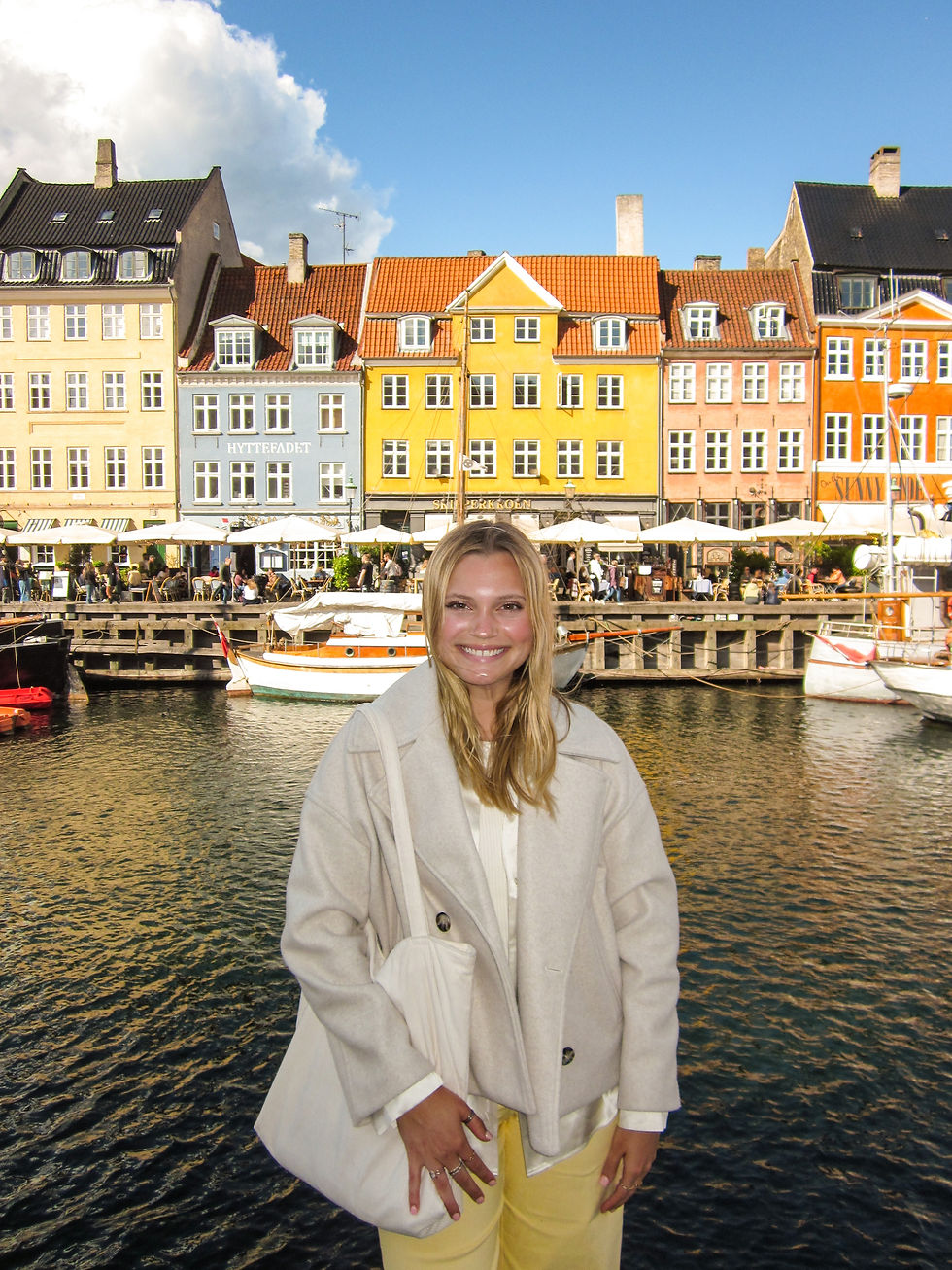
Resuable Tote Bag
Why you need it: A reusable tote that folds flat is one of the most underrated items on any Europe packing list. It is perfect for grocery runs at local supermarkets, picking up things at a market, carrying a jacket or an extra layer when the day warms up, or as a second bag when you are headed out for the evening and do not need your full day pack. Many European countries charge for plastic bags, so having your own is practical and expected.
Hannah's Note: Get one that folds into a small pouch. It weighs almost nothing and takes up almost no space until you need it.
Final Thoughts
Europe rewards light packers. The more freely you can move, the better your experience will be, because the best things that happen on a Europe trip are almost always unplanned: the side street you turned down, the town you decided to stay an extra night, the overnight train you booked last minute because someone at the hostel told you it was worth it.
You do not need to pack for every scenario. You need to pack for the most likely ones and trust that Europe, which has one of the best-developed tourist infrastructures in the world, will have what you need if something comes up. Most things you forgot or ran out of are available at a pharmacy, a supermarket, or a market within a few blocks of wherever you are.
The goal is a bag that is light enough to carry up four flights of stairs to your hostel room without stopping, small enough to fit in an overhead bin without a second thought, and organized enough that you know exactly where everything is at border control.
Everything else is just details.
Enjoy your Euro holiday.
~ Hannah

Comments